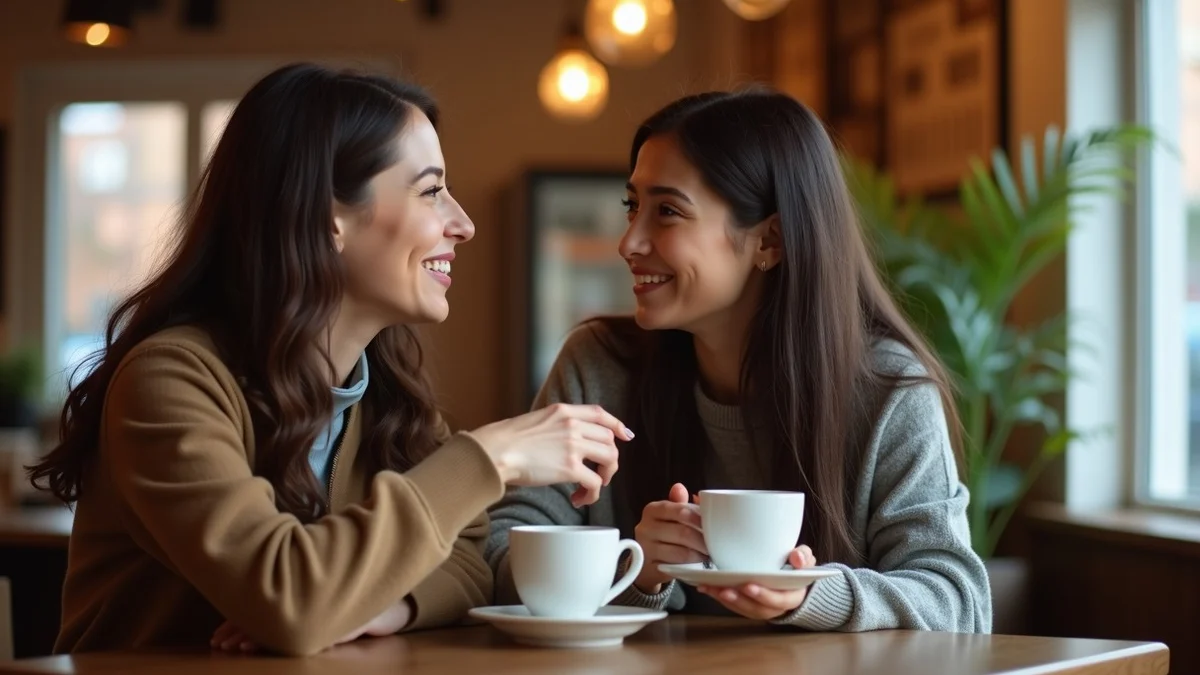
Dating for lesbian women looking for companionship includes romance, affection, and lasting commitment without requiring a conventional timeline or shared home. Start by explaining what closeness means to you. Clear language about romantic interest, exclusivity, emotional openness, and pace helps a compatible connection take shape before assumptions take over.
Published by TOP Dating
Companionship can include romance without following a standard relationship script

For lesbian women, companionship often means a romantic bond shaped by warmth, reliability, and a meaningful place in each other’s lives, without one required destination. The connection can include dating, physical affection, emotional intimacy, romance, and chosen commitment. Some women want an exclusive, long-term partnership; others build slowly while keeping separate homes, routines, and finances. The shared point is care and continuity, not a casual connection with no expectation of staying in touch.
Many dating scripts move quickly toward labels, frequent time together, cohabitation, or marriage. Companionship supports other arrangements. Two women might share regular experiences, affection, and mutual support as non-cohabiting partners for years. Another pair could begin with companionship and later choose a more intertwined life. Describe the connection as romantic, caring, and enduring, then let both people decide whether separate homes, independent routines, or another structure suits them.
When two people attach different meanings to companionship
The word companionship needs an early explanation because women use it in different ways. One lesbian woman might mean romance, physical tenderness, and an emotionally central relationship. Another might mean shared meals, outings, and dependable company with little interest in sexual intimacy or traditional couple roles. Neither meaning misleads on its own; confusion starts when each person assumes her definition applies to the other. A divorced woman seeking a long-term relationship or a second chance at love might value the steadiness of the term while still wanting an explicitly romantic partnership. Someone else might want affection and commitment while keeping finances, homes, family routines, or social circles separate. The same label can cover different boundaries around kissing and sex, being introduced as a partner, relying on each other during hard periods, or prioritizing the connection over other dates. Early warmth can make these differences easy to overlook. Later, one person may experience a request for more romance as pressure, while the other experiences lower intensity as distance. Say what kind of closeness you are offering so companionship becomes a basis for shared expectations.
Signals of pace, closeness, and everyday partnership

Early momentum can make convenient expectations feel mutual: daily texting reassures one woman and drains another, while a relaxed schedule feels spacious to one person and distant to the other. Talk about the details. Pace covers how often to meet, how much to message between dates, and what each person does during a busy week or time alone. Emotional support could mean listening after a difficult day, sharing regular plans, or offering dependable company without becoming each other’s main crisis resource immediately. Discuss exclusivity separately because romantic affection does not establish it automatically. Everyday partnership deserves its own conversation too. One woman might want lasting commitment with separate homes, independent routines, or gradual introductions to friends and family; another might view greater domestic integration as progress. Naming these preferences while interest grows keeps ordinary differences in rhythm from becoming mistaken for rejection or lack of care.
Shared identity creates recognition, not automatic compatibility
A shared lesbian identity creates recognition around attraction, yet it leaves many daily questions open. Two women can want different weekly rhythms: one enjoys a busy social calendar and spontaneous outings, while the other restores herself through quiet routines and small circles. Values involving family obligations, money, privacy, community, and independence also shape security. Conflict style matters when ordinary friction appears; someone who needs time alone to think may struggle with a partner who hears a pause as withdrawal. Commitment can take different forms even when both women want a lasting romantic relationship. Compatibility grows when daily life, emotional habits, and the hoped-for partnership fit together, not simply because both people share an identity or label.
Write a companionship statement that defines what you welcome
A companionship statement works best when it names the connection first and then gives it enough shape for the right woman to recognize herself. Describe the emotional tone—warmth, affection, laughter, or dependable company—along with romantic intention, such as a committed relationship, and the pace and boundaries you prefer. For example, a profile might say that you want an affectionate, long-term partnership that grows steadily, or a romantic connection with regular shared time while each person keeps her own home and routines. Interests show how that bond could look day to day: cooking together, museum afternoons, quiet weekends, or planning small trips. Positive wording still filters out matches seeking only friendship, immediate intensity, or an unwelcome living arrangement.
Questions that often come up
How can a divorced lesbian describe wanting a second chance at love without making her past relationship the center of her profile?
A second chance does not require recreating a previous marriage or explaining what went wrong. It can mean bringing clearer priorities to a new connection: warmth, steadiness, mutual care, romance, or a relationship that develops without merging lives quickly. A forward-looking line such as “I’m interested in an affectionate, lasting connection built at a comfortable pace” shows that history has informed your choices without turning early dating into a discussion of an ex-partner.
What should I do when a match says she is “open to companionship” but does not say what that means?
Treat the phrase as an invitation to clarify rather than proof of alignment. Early in the conversation, ask what companionship looks like in her life: whether she means dating with romance, a committed but independent relationship, regular shared time, or primarily friendship. Her answer matters less as a perfect label than as an indication of whether she can speak plainly about her hopes and make room for yours.
Can a companionship-focused relationship still be serious if neither woman wants to live together?
Yes. Seriousness can show up through reliability, emotional investment, exclusivity if both people want it, inclusion in one another’s lives, and shared plans that fit the relationship. Living separately may reflect a preference for independence, established routines, family responsibilities, finances, or simply a desire for separate homes. The important point is that separate households should be discussed as an intentional structure, not left as an assumption that one person later experiences as distance or lack of commitment.
How can limited time affect a search for companionship?
Availability shapes the form a relationship can take, but it does not automatically make someone less interested in commitment. A woman with a full schedule may value planned dates, consistent check-ins, and dependable follow-through more than constant messaging or spontaneous time together. Naming the rhythm you can realistically offer helps distinguish a sustainable pace from vague interest and lets a match decide whether that kind of connection feels fulfilling to her.
Companionship is most useful as a starting point rather than a complete relationship description. Two women may both want warmth, reliability, and a long-term bond while differing on romance, exclusivity, everyday contact, or living arrangements. Naming what you welcome in a profile and revisiting those details as connection grows leaves room for affection without promising a pace or structure that does not feel right.