
For farmers near Grand Rapids, a free dating site is useful only when it produces reachable local matches and lets free members make meaningful contact. A broad dating-service model is usually the better starting point for local reach, while a farmer-focused model can be worthwhile when its Grand Rapids-area queue shows current, compatible activity. The deciding issue is not a free sign-up button; it is whether the no-cost tier supports browsing, filtering, matching, and a real path to conversation within a workable West Michigan travel area.
Published by TOP Dating
A Free Account Is Not Always a Usable Dating Experience
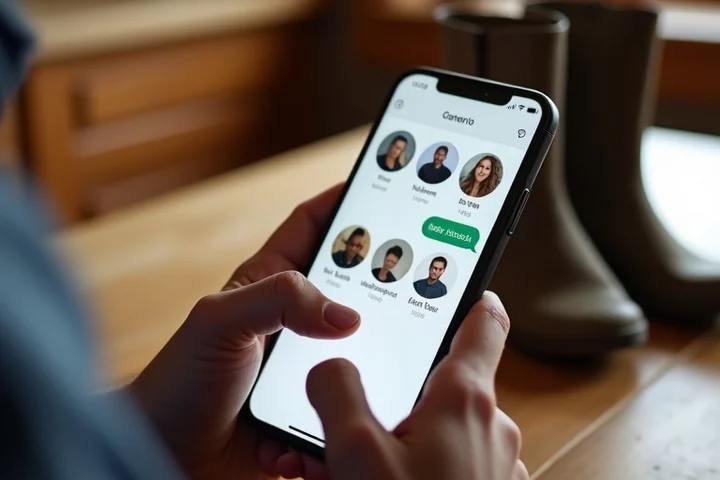
“Free” can mean anything from no-cost registration to a genuinely workable dating experience, so the label alone does not answer whether a service can help a farmer in the Grand Rapids service area meet someone. Registration and profile creation may be free, while profile browsing, distance settings, detailed filters, viewing incoming interest, profile visibility, or sending messages may be limited. Some systems place the restriction at the first-contact stage; others allow limited interaction but reserve the clearest signals of mutual interest or the most useful search controls for an upgrade. The practical distinction is contact access. A no-cost account has enough utility when it can show people within a realistic driving range, indicate some basis for mutual interest, and permit a conversation without immediately blocking the next step. A profile that can be created but not seen, a match list with no way to communicate, or search results that cannot be narrowed beyond a wide metropolitan area does not provide the same value. For Grand Rapids farmers, distance matters alongside access: a free tier that displays many profiles but cannot distinguish city-based matches from people whose location and availability fit rural travel is only partly usable. Current terms on each service determine where that line falls, since free-tier features and upgrade prompts can change.
A Nearly Empty Local Queue Signals a Reach Problem
A large membership claim does not establish an active dating pool near Grand Rapids. More useful evidence comes from the local queue itself: profiles repeatedly appearing within a distance that fits regular travel, indications of recent activity when the service displays them, new recommendations over several visits, and replies from people whose location is plausible. A farmer-focused site may offer stronger lifestyle relevance but still have too few active people in the surrounding rural area to support steady conversations. A general service may show a larger queue, yet its apparent reach loses value when most results require an impractical drive or do not reflect farm-life constraints. Stale-looking profiles, the same small set of recommendations, distances extending far beyond a realistic meeting radius, and no response despite a complete profile point to a reach issue rather than a need for more paid features. Local activity is therefore the threshold test: niche relevance becomes valuable only after the Grand Rapids-area pool is active enough to create choices.
When Farm Work Limits Messaging and Meeting Windows
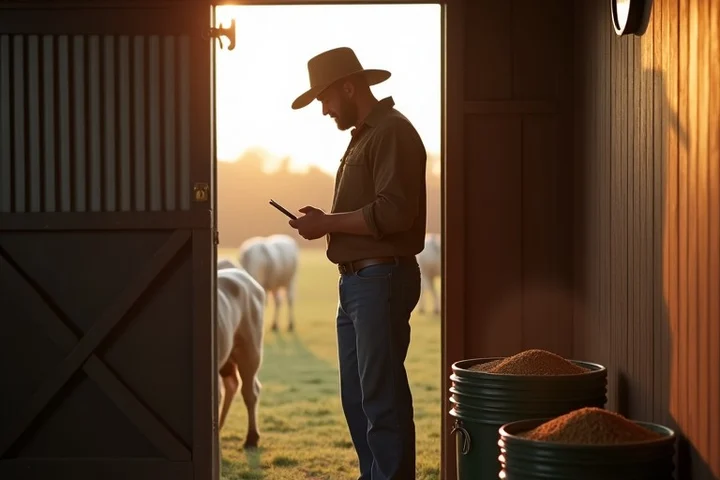
Farm compatibility is not limited to an interest label. Early starts, weather-dependent work, livestock routines, planting and harvest periods, and long drives between home, farm, and town can narrow both message timing and meeting windows. A compatible match does not need identical work, but does need realistic expectations about delayed replies, advance planning, and changing availability during demanding seasons.
That makes usable distance controls and profile space for routine especially relevant around Grand Rapids. A city-only search may overlook people in the wider service area who accept rural travel, while an unrestricted search can fill the queue with matches who are too far away for regular dating. A free option has greater practical value when its local results and available filters help identify people whose location and schedule can work before time is spent building a conversation that cannot translate into an in-person meeting.
Niche Communities and Broad Grand Rapids Reach
Neither model is automatically sufficient. The stronger choice is the one that shows active people within a workable Grand Rapids-area travel range and preserves a free route to mutual contact.
Farmer-focused dating site
Farm routines, rural living, and agricultural priorities may be easier to surface and understand.
Local reach can be thin if few active members live within a practical driving distance.
A narrower audience can improve context but reduces the margin for a small local queue.
Lifestyle-specific information is valuable only if available without blocking essential local search.
A useful primary option when current nearby activity is visible; otherwise, a focused secondary channel.
General dating site
Farm-life compatibility may need to be made clear through the profile and early screening.
A broader audience gives more opportunity to find people across the city and surrounding rural area.
A larger pool can offset the limited number of singles who work in agriculture.
Distance, relationship-goal, and availability-related controls matter more than a farming label.
The stronger default when it produces more reachable, responsive matches than the niche alternative.
An Upgrade Prompt May Reveal the Real Paywall
- Determine whether a free member can send, receive, and read messages after a mutual match or other indication of interest.
- Identify whether likes or other signs of interest are visible or remain hidden behind an upgrade prompt.
- Check whether the no-cost tier permits a realistic distance range and filters that narrow an overly broad Grand Rapids-area queue.
- Observe whether the profile appears in recommendations and whether incoming activity or fresh local suggestions develop over time.
- Treat payment as relevant only when a specific blocked function prevents contact with active, reachable matches.
A few details worth clarifying
Should a Grand Rapids search stop at the city boundary?
Not necessarily. The useful boundary is the distance both people can sustain for ordinary dating, not the municipal line. A wider service area can help farmers find compatible matches, provided the drive remains realistic for evening plans, early workdays, and seasonal workload changes.
Can a non-farmer still be a good match for someone in agriculture?
Yes. The relevant compatibility point is not shared employment but practical understanding of farm demands, rural travel, irregular hours, and periods when plans need more notice. A general dating site can be useful precisely because it includes people outside agriculture who are open to that routine.
How can a free account be tested without paying immediately?
A useful trial looks for a stable local queue, realistic distances, visible signs of current activity where available, and an actual no-cost route from mutual interest to conversation. If the first meaningful interaction repeatedly triggers an upgrade prompt, the free tier is not serving the main purpose.
For farmers in Grand Rapids, free access is sufficient only when a service combines reachable local activity with a no-cost route to mutual contact. A farmer-focused model may offer better context, but it cannot compensate for a thin local queue. A general model is the stronger default when it produces more realistic, responsive matches and enough filtering to account for farm-time compatibility.