
Meeting gay singles in New Orleans doesn’t have to depend on a loud night out or a string of app chats that go nowhere. To meet gay singles in New Orleans in a way that leaves room for genuine conversation, put your energy into recurring LGBTQ+ gatherings, volunteer projects, hobby-based groups, and community events where people have a reason to return. Familiarity is doing more work here than a perfect opening line ever will.
Published by TOP Dating
New Orleans offers more than one way to meet gay singles
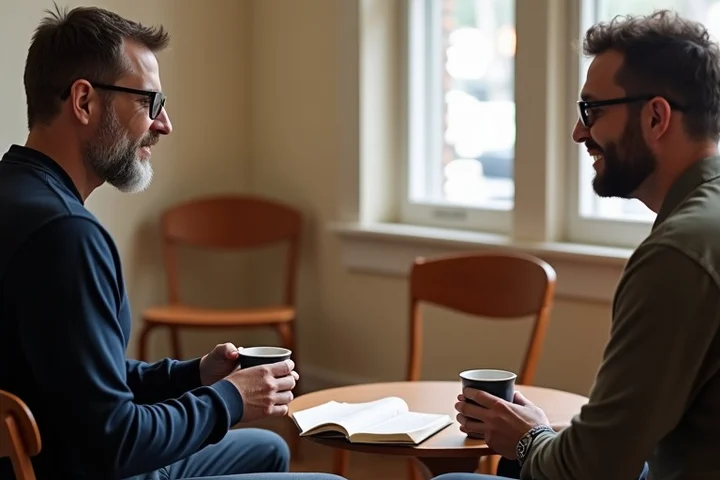
Your strongest routes are the ones built around participation: LGBTQ+ community gatherings, volunteer efforts, book or film discussions, arts activities, recreational groups, and interest-based meetups where the activity gives people something to talk about. The LGBT+ Community Center of New Orleans and New Orleans Pride are useful local starting points for finding current community-oriented opportunities. A one-time event can introduce you to people, but a recurring group gives you a second conversation without having to manufacture one. It also helps to be matter-of-fact that you’re single and open to dating if the connection feels right. That’s clearer than treating every friendly person as a romantic prospect. Apps can still make a useful bridge, especially when an online conversation leads to a shared public event instead of an immediate high-pressure date.
What makes a social setting useful for meeting someone new?
A useful setting has enough structure that you aren’t left performing for strangers, yet enough downtime for conversation to develop. Manageable noise matters; so does an activity with natural pauses, such as volunteering, discussion, a class, or a group walk. The better groups tend to welcome newcomers without making anyone explain why they came alone, and they don’t create a strange expectation that everyone must pair off by the end of the evening. Repeat attendance is the real advantage. You can learn names, notice who asks you questions in return, and see whether the easy first conversation actually has some staying power.
A first visit can feel social without producing an instant date
On a first visit, the sensible goal is participation, not a romantic outcome. Join the activity, introduce yourself to a few people, and stay engaged long enough for conversation to move beyond where you live or what you do. If you click with someone, exchanging contact information can be as simple as agreeing to stay in touch about another group event or a shared interest. Returning matters because it shows you were there for the community as well as the possibility of dating. In New Orleans, where plans can be shaped by neighborhood and travel time, choosing something you could realistically attend again is more useful than chasing a one-off event across town. A pleasant evening with no date attached is still a successful first visit.
Reading interest without overinterpreting friendliness
Friendliness is common in a good community space, and it shouldn’t be treated as proof of attraction. Stronger signs tend to build over time: someone seeks you out at the next gathering, remembers details from an earlier conversation, keeps the exchange going when there is no group task requiring it, or suggests spending time together in a smaller setting. Your own interest can be made clear without making the room awkward. Give attention, ask a real follow-up question, and see whether that attention comes back. If the connection stays vague after a couple of interactions, let it remain social. Community spaces work better when people feel free to be warm without being put on the spot.
Recurring activities create better opportunities for recognition
Formats with a shared purpose are especially good for this: a volunteer team, a discussion group, a creative workshop, a recreational activity, or a committee helping with a community event. You have built-in topics, and no one needs to pretend that small talk is the entire point.
A routine that brings you back to the same part of the city can help, too. A group that meets near Faubourg Marigny may be easier to revisit than a plan that demands a long cross-city trip every time. Convenience sounds unromantic, but repeated presence is often where recognition turns into comfort.
Ask for a low-pressure follow-up when interest is mutual
Once someone has shown sustained interest, an invitation doesn’t need to carry the weight of a grand declaration. Concise language usually has three parts: a reference to the conversation you enjoyed, one specific and easy plan, and a clear sense that the invitation is optional. Coffee, a walk in a public area, or attending another event together all keep the first step proportionate. Specificity helps because it gives the other person something real to accept, decline, or adjust instead of leaving both of you floating in vague talk about hanging out someday.
The graceful part is making refusal easy. Your tone can show that a no, a busy schedule, or a preference to remain group friends will not become a problem at the next meeting. If the answer is enthusiastic, settle on a time and keep the first plan simple. If it isn’t, remain pleasant and continue participating normally. That isn’t a consolation prize; it’s how you avoid turning a social group into a field of awkward exits. Mutual interest deserves clarity, while everyone else deserves the comfort of being able to say no.
The best New Orleans approach is choosing spaces you’d genuinely return to, letting recognition build naturally, and making one clear invitation when the interest seems mutual. Dating can grow from community, but only when the community still feels worthwhile on its own.