
Professional singles in Utah can meet relationship-minded people through recurring communities, public social settings, and dating platforms that keep personal contact separate from work. Salt Lake City, Provo, and Park City offer different meeting areas, but compatibility also depends on whether schedules, travel expectations, and relationship goals align. Professional connections can become personal only when interest is mutual and declining carries no professional cost.
Published by TOP Dating
Utah’s professional and social hubs

Salt Lake City provides a broad base for public cultural events, classes, volunteer work, recreational groups, and professional association social gatherings. Provo can suit people seeking smaller recurring communities built around shared interests, while Park City may be a practical meeting area for people already willing to make plans beyond their immediate neighborhood.
Utah dating often involves a decision about geographic range. A connection between Salt Lake City, Provo, or a surrounding community may be workable when both people can make consistent time for travel, not merely occasional plans. Early agreement about weekday availability, preferred meeting areas, and willingness to alternate travel prevents location from becoming an unspoken source of friction.
Recurring communities create familiarity without forced dating pressure
Recurring interest-based communities allow professional singles to see how someone participates over time rather than judging compatibility from one networking conversation. Volunteer groups, continuing-education classes, book discussions, outdoor activities, and social sports create natural subjects beyond career status. Regular attendance also reveals practical traits: whether a person follows through, treats others respectfully, and makes room for connection in a busy schedule. The setting remains useful even when no date develops, which reduces pressure on every conversation to produce a romantic outcome.
Professional access is not the same as personal interest
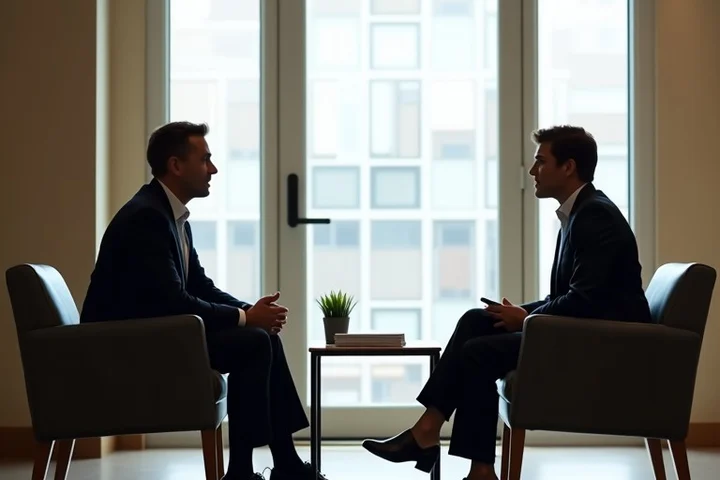
A work introduction, conference conversation, client meeting, or professional networking exchange establishes a professional connection, not personal interest. Friendly discussion at an industry event can justify a brief, low-pressure invitation only when both people can comfortably decline and continue participating in the same setting. Mutual engagement outside the business topic, voluntary personal disclosure, and reciprocal effort to continue a conversation may justify asking once. None of those signals creates an obligation to accept.
Power differences change the situation. Supervisors, direct reports, people who influence another person's pay or opportunities, and contacts in an active client or vendor relationship should keep the relationship professional. Even a seemingly casual invitation can carry pressure when one person has authority, access, or business leverage. Professional events should not be used to collect private contact details or to approach people repeatedly after a refusal.
One clear invitation is enough. A vague response, a declined plan, or no response should be treated as a lack of interest, with no follow-up campaign through work channels, social media, colleagues, or future networking events. This preserves the other person's ability to attend Utah professional communities without avoiding a contact who has made dating feel like a condition of access. A separate social setting is usually the better place to explore mutual interest.
When faith, lifestyle, and relationship goals surface early
Religious practice, nonreligious identity, family expectations, alcohol use, weekend routines, and preferred social environments can shape dating compatibility in Utah, but none should be presumed from a person's city, profession, or appearance. Salt Lake City and Provo contain people with varied beliefs and lifestyles, as do surrounding communities. Direct, respectful conversation works better than inference. Faith may be central to one person's future plans, meaningful but flexible for another, or not part of dating decisions at all.
Relationship intent becomes clearer through specific topics: whether someone wants a committed partnership, how they make time for dating, whether they expect to remain in Utah, and what role family or community will have in their life. Consistent plans, reciprocal communication, and willingness to discuss practical compatibility generally carry more weight than polished career credentials or a broadly stated interest in something serious.
Regional travel belongs in the same conversation. Someone based near Salt Lake City may prefer local weekday dates, while a person in Provo or Park City may need more advance planning. A compatible match does not require identical routines, but it does require a workable pattern of effort. Shared clarity about location, lifestyle, and relationship direction helps distinguish genuine availability from casual interest.
Meeting professional singles in Utah works best when social settings remain genuinely social and professional contact remains optional. Recurring communities, realistic travel expectations, and early discussion of values create a clearer basis for dating than workplace proximity or career similarity alone.