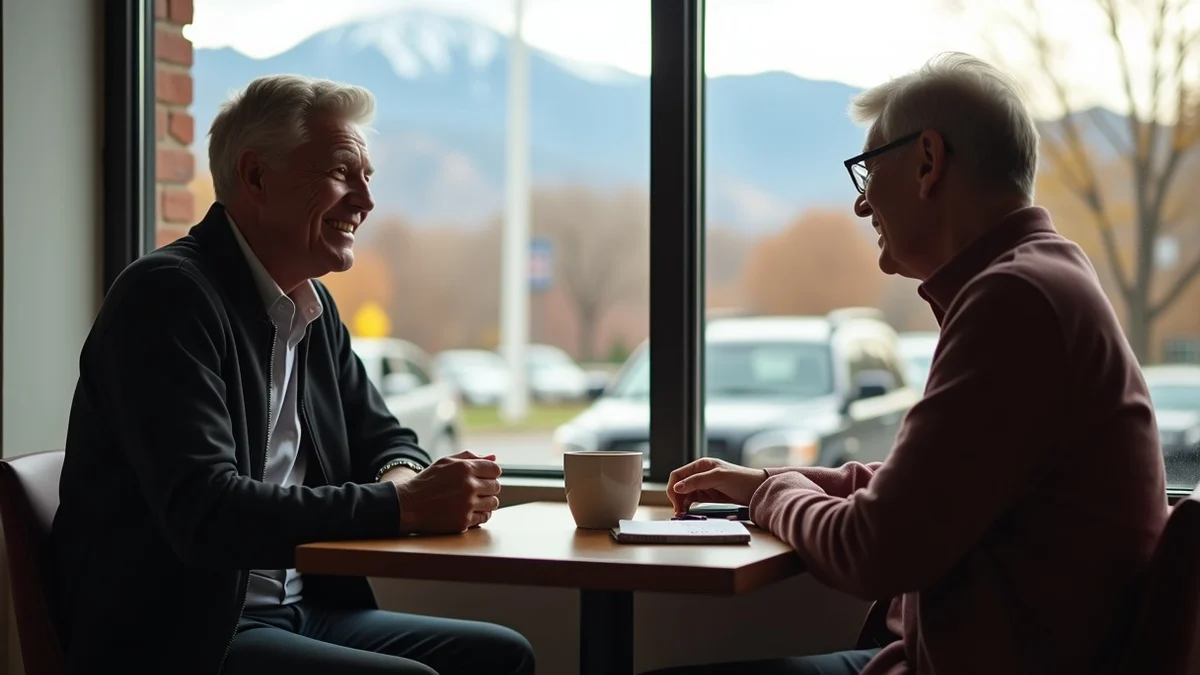
Dating after loss rarely begins with a clean decision; in Denver, it may start with an occasional wish for company, a readiness to talk, or simple curiosity about who is nearby. Widows and widowers can meet singles by pairing a clear online profile with one repeatable Denver-area social setting, then keeping early connections low-pressure and honest about pace. The aim is not to replace a spouse or declare a new chapter complete. It is to make room for someone who may become part of life as it is now.
Published by TOP Dating
When Interest in Dating Returns Unevenly
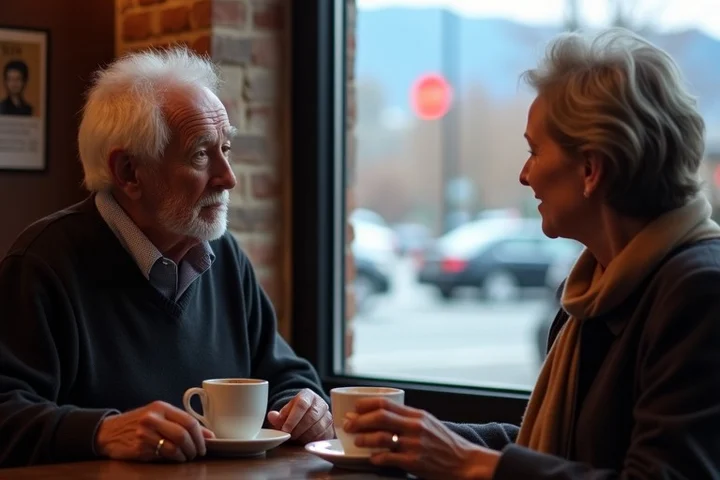
Readiness after bereavement has no reliable timetable. Curiosity about another person, enjoyment of a new conversation, and a desire for companionship can all signal genuine openness. Loneliness after a difficult evening, guilt at the thought of being seen with someone new, or pressure from family and friends may point to a more complicated moment. None of those feelings disqualifies anyone from dating. They simply suggest that a first coffee, a brief conversation, or a new social activity may feel more appropriate than a fast-moving search for commitment.
Denver Offers Both Structured and Informal Ways to Connect
A workable Denver approach often combines two different channels. Dating platforms provide structure: a person can state whether they want companionship, a relationship, or are still exploring, and can set a practical distance that accounts for central Denver as well as nearby Aurora or Lakewood. That clarity reduces the strain of explaining intentions after a long exchange. Informal routes unfold more slowly but can feel less transactional. Interest groups, classes, volunteer activities, faith or community gatherings, and introductions through trusted friends give people something real to discuss besides their dating history; repeated attendance also lets conversation develop without the intensity of a formal date. A widow or widower social group, when one is currently active and feels comfortable, can offer a different value altogether: shared life context without requiring every connection to become romantic. Its purpose may be friendship, confidence, or a renewed social routine. Denver’s spread-out metro area matters here. A channel that involves a long cross-town trip may be sustainable for an occasional date but less so for a weekly activity, while a nearby recurring group can create the steady contact that a profile alone cannot. Online dating is useful for deliberate matching; community activities reveal how someone moves through ordinary life; introductions offer a measure of social context. Choosing one structured option and one in-person option keeps the search broad without turning dating into a second job.
Frequent Comparison May Mean the Pace Needs Attention
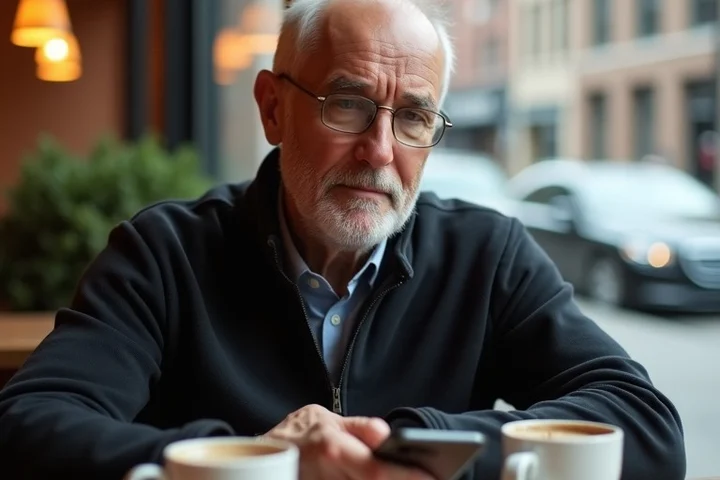
- Comparison Pattern: Occasional comparisons tied to a specific memory or familiar activity Effect On New Connection: A late spouse remains an important part of life, but the new person can still be encountered as themselves. Grief Aware Pace: Briefly acknowledge the memory, then return attention to the present conversation and the person in front of you.
- Comparison Pattern: Repeatedly measuring a match against a late spouse's habits, appearance, values, or relationship role Effect On New Connection: The match may feel evaluated against a history they cannot share or meaningfully enter. Grief Aware Pace: Slowing the relationship can make room to notice whether interest is in this individual rather than in recreating what was lost.
- Comparison Pattern: Dates consistently bring overwhelming sadness, resentment, or a sense of betraying the past Effect On New Connection: Dating may be carrying more emotional weight than an early connection can reasonably hold. Grief Aware Pace: A pause is a valid choice when contact feels depleting rather than gently challenging; returning later does not erase the attempt.
How Much Should You Share About Your Loss?
Widowhood is a major life experience, not a detail that needs to be hidden until a relationship is underway. Still, disclosure works best in layers. In an online profile, a short factual reference to being widowed can establish context and help screen out people who are uncomfortable with it, without making the profile a memorial. During early messages or a first meeting, a simple acknowledgement of the loss and of the present dating goal is usually enough. More personal details—how long the marriage lasted, what the final years were like, which dates carry particular meaning, or how family responded—belong later, when trust and relevance have grown. This is especially useful in the Denver metro area, where matches may message for a while before deciding whether a trip across town makes sense; honest context early prevents a later disclosure from feeling like withheld information. A new match does not need a complete history to understand that the past matters. They do need enough clarity to know that widowhood is part of the landscape, that comparisons will be handled thoughtfully, and that the relationship is being allowed to develop in its own shape. If someone presses for details before that trust exists, the pressure itself is useful information.
Protect Space for Family, Memories, and a New Relationship
Adult children, close friends, and relatives may have strong feelings about a parent or loved one dating again. Their concern can come from love, loyalty, fear of change, or their own unresolved grief, but it does not require them to direct the pace of a new relationship. A useful boundary separates information from permission: family can be told what feels appropriate, while decisions about a date, a companion, or a private conversation remain personal. Early introductions are not automatically owed, particularly when a connection is still tentative.
A few details worth clarifying
Is companionship a valid reason to date after being widowed?
Yes. Dating does not have to begin with a search for remarriage or a long-term commitment. Companionship, conversation, shared activities, and a gradual return to social life are all clear reasons to meet someone, as long as that intention is communicated honestly.
Should adult children know before a first date?
That depends on the family relationship and personal comfort. Some people prefer to wait until a connection has enough substance to discuss; others share early because secrecy feels uncomfortable. A first date does not automatically create a family announcement.
What if a Denver match lives farther away than expected?
Distance across the Denver metro area can affect how often people can realistically meet. It helps to treat travel time as a compatibility detail early, particularly when someone lives in a different suburb or has established family and work routines.
Can a person date before feeling completely free of grief?
Grief does not have to disappear for dating to be possible. The more important question is whether a new person can be treated with care and curiosity, rather than being asked to remove grief, fill a specific absence, or stand in for a late spouse.
Meeting singles in Denver after loss can be gentle, selective, and entirely personal. A clear dating channel, a recurring local activity, and an honest sense of pace create more room for connection than pressure ever will. The past remains significant; it need not prevent a distinct future.