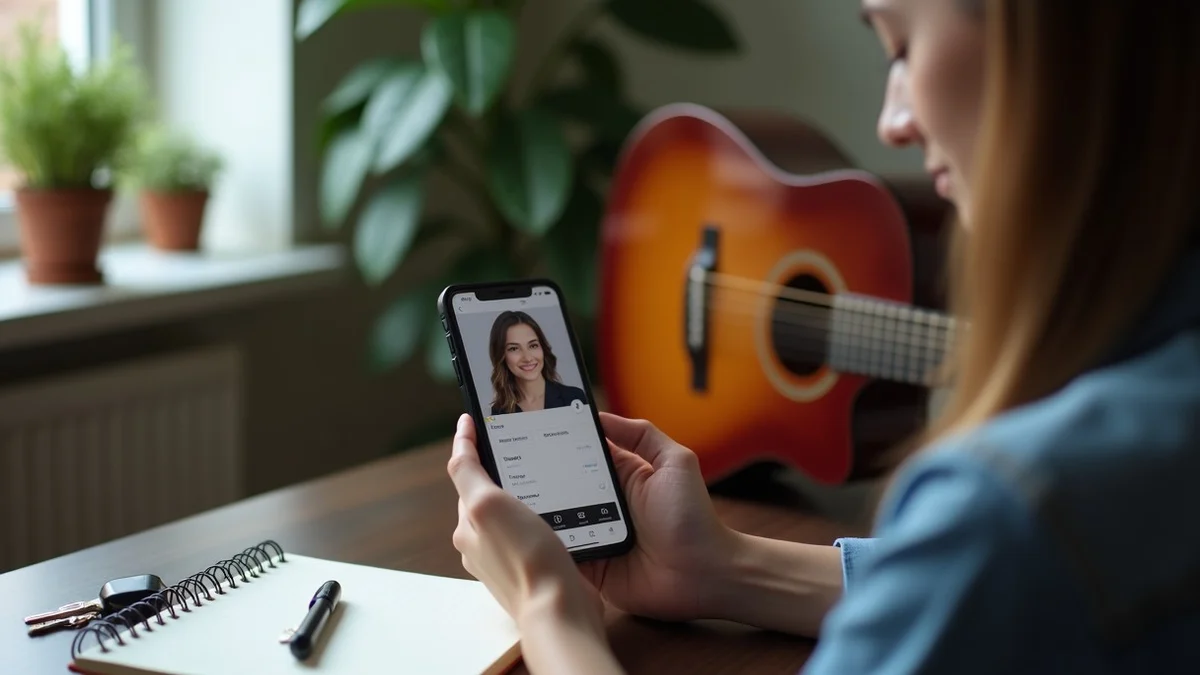
Safe dating apps for musicians should be judged by privacy controls and reporting tools, not by how prominently they display your work. Present your musical identity authentically while keeping direct contact details, routines, and private relationships separate from the dating profile. The same screening applies whether you perform publicly, tour, teach, or work from a home studio.
Published by TOP Dating
Dating-app exposure can affect a working musician
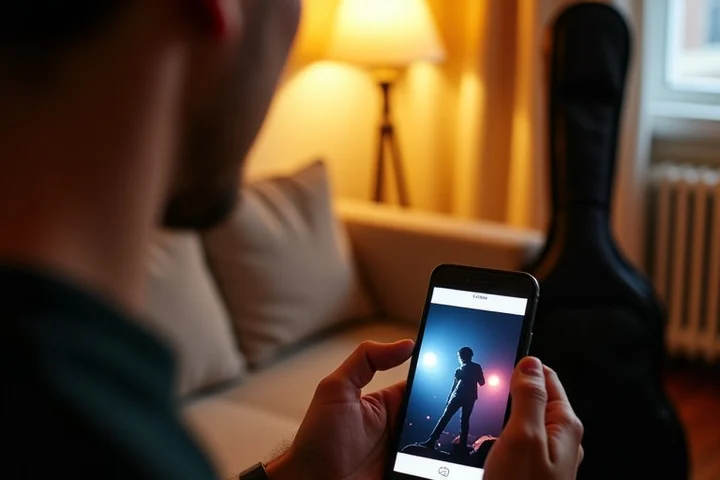
Public performances, recognizable venues, and searchable artist names can make a working musician easier to identify than a typical dater. A profile photo from a familiar stage, a venue tag, or a distinctive band name may let a match connect the dating account to a work page, event listing, or other public information. That connection can expose more context than the profile itself provides.
Touring schedules and recurring performance locations can also reveal when you are likely to be away or where you regularly spend time. Keep upcoming dates, regular routes, and private contact details out of the dating profile. Treat unsolicited familiarity with your work as a reason to slow the conversation, not as proof that the person is trustworthy.
A public creative identity can still reveal too much
Venue tags can identify a neighborhood or a predictable routine, while upcoming event posts can show where you will be at a specific time. A home-studio photograph may include a street view, distinctive exterior, mail, equipment labels, or other address clues. Band pages can connect your dating profile to collaborators, former partners, personal accounts, or contact channels that you did not intend to share.
Separate the public parts of your creative identity from private contact details. A stage name may help keep the dating profile distinct from personal information, but it does not make the account anonymous if photographs, band pages, or search results connect the identities. Review every linked social account before adding it, and remove links that expose a home address, personal phone number, private relationship, or detailed routine. A short description of your music and a general work area can show who you are without publishing your full schedule.
If a match claims to know your music, verify the connection slowly
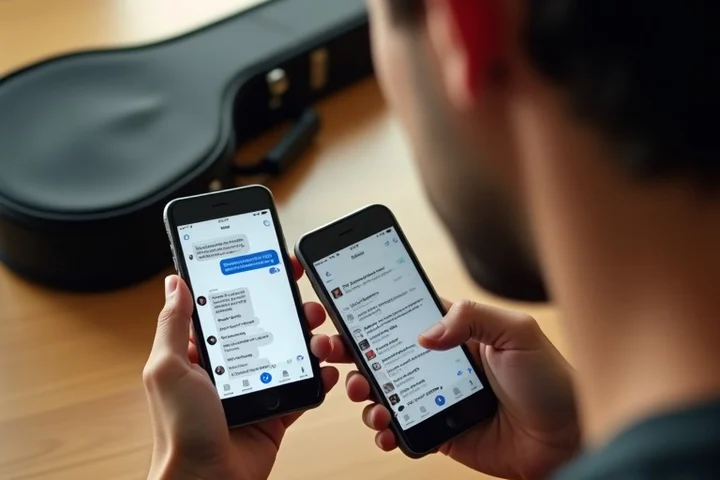
Keep the early conversation on the dating app when a match cites a performance, label, promoter, or mutual industry contact. Compare the claim with information you locate independently rather than relying on links, screenshots, or contact details the match provides. A genuine connection can tolerate gradual verification; pressure to move immediately to private messaging, share unreleased work, or provide backstage access is not verification.
Do not use a home studio, private rehearsal space, or backstage area as an early meeting place. Avoid giving a match access to your equipment, address, crew, or other musicians until the relationship has earned that level of trust. Vague claims, changing details, requests for money or access, impersonation, or repeated unwanted contact are reasons to end communication and use the app's reporting and blocking tools.
Privacy settings for location, discovery, and linked accounts
The privacy review should cover whether the app displays a precise location or only a broad area, how profile visibility and discovery work, and whether contact syncing allows people in your address book to find you. It should also cover social-account links, read receipts, and the controls for blocking or restricting another account. Where an app offers screenshot or sharing limitations, check what those controls actually limit; they should not be treated as a guarantee that profile information cannot be copied or redistributed.
A musician's profile can remain recognizable without being a directory of work and personal access points. The safest setup is one in which public creative details are limited to what supports an honest introduction, while location precision, contact discovery, personal links, and routine information remain restricted. The app's reporting process should be clear enough to handle impersonation or harassment, and relevant account details or messages should be preserved in a lawful, privacy-conscious way if a report becomes necessary.
Musicians do not need to hide their creative identity to date online. They do need to separate public work from private access, limit schedule and location clues, verify claimed connections gradually, and use blocking or reporting tools when contact becomes deceptive or intrusive.