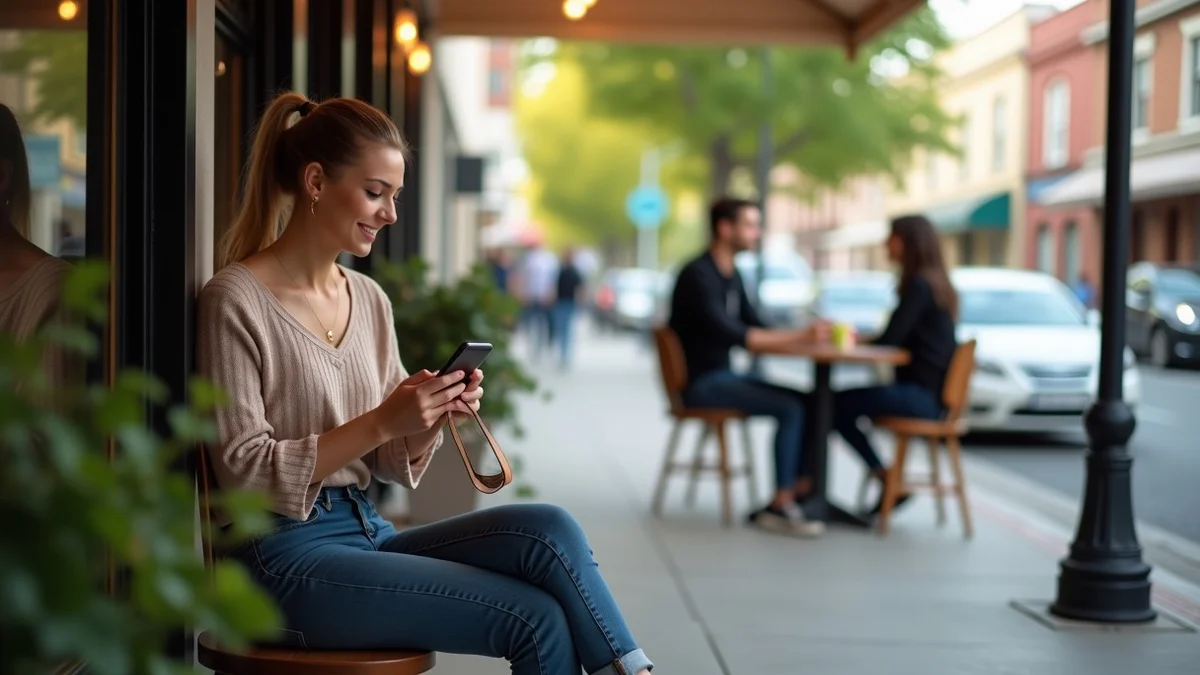
Safe online dating is less about finding one perfect safety feature than building a few sensible protections around every new connection. Keep identifying details private at first, look for consistency over time, take pressure seriously, and make early meetings easy to leave. A careful pace leaves room for interest without handing a stranger control over your information, money, images, or physical safety.
Published by TOP Dating
Online dating safety depends on layered verification
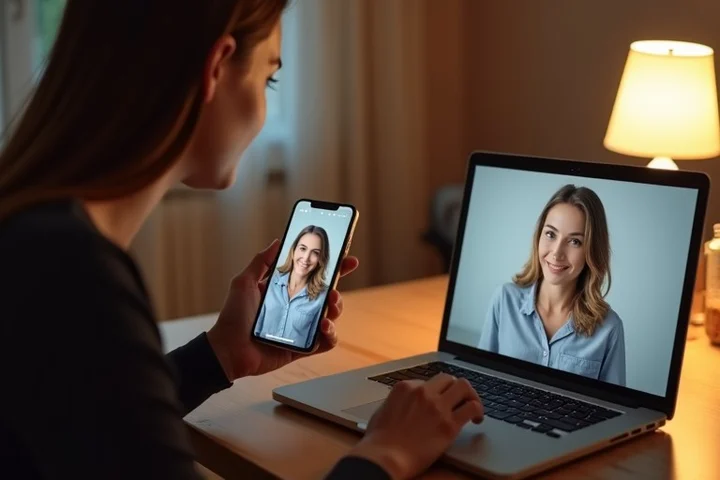
A convincing profile is only one small signal. Safer judgment comes from seeing whether photos, stated details, conversation, and behavior remain consistent over time; a brief live video conversation can add another useful layer before an in-person plan. A reverse image search may reveal that a photo appears under unrelated names or elsewhere online, while awareness of publicly available records can sometimes clarify a claim. None of these steps proves identity, character, relationship status, or good intentions. They simply make obvious contradictions harder to overlook and give you more reason to slow down when a story does not hold together.
A match who pushes for speed or secrecy warrants caution
Pressure changes the calculation. A person who rushes declarations of attachment, insists on moving away from the dating platform immediately, or objects to a basic video call may be trying to outrun your judgment. The same applies to requests that you hide the connection from friends, meet somewhere private, send sexual images, or solve a sudden financial problem. A genuine interest can tolerate a reasonable pace and ordinary boundaries. Resistance, guilt, flattery used as leverage, or anger at a refusal are information in themselves; they support pausing contact rather than explaining your limits again and again.
Personal information boundaries and verification limits
Early conversations do not need your home address, precise workplace or daily commute, financial details, government identification, children’s names or schools, or the routines that show when you are alone. Broad descriptions are enough until trust has developed in person over time. Keep in mind that a platform verification badge has a limited purpose: it may indicate that a particular check occurred, but it does not certify a person’s intentions, every profile detail, or their safety offline. Treat it as one signal, never a substitute for boundaries.
Privacy before trust, not cleanup after exposure

Gradual disclosure gives you choices. Keeping early chats on the platform and using a separate contact channel if you later decide to move the conversation can prevent a new match from automatically gaining your main phone number, personal email, social network, or location-linked details. Photos deserve similar care when they reveal a home, workplace, vehicle information, children, or a familiar daily setting.
Premature sharing creates a map that is difficult to take back. An address can turn a pleasant exchange into an unwanted visit; an employer or routine can make contact easier to continue after you have lost interest; financial or identity details can be repurposed for fraud. Privacy is not a sign of suspicion or a test a match must pass. It is a normal condition of getting acquainted with someone whose offline life you do not yet know.
Move the first meeting into a controlled setting
- Choose a public, staffed venue where other people are present, rather than either person’s home, hotel room, or an isolated location.
- Use independent transportation so neither person needs your address or controls when you leave.
- Tell a trusted contact the venue, the match’s profile name, and the planned start and end time.
- Keep the first date short enough to assess comfort without feeling committed to a long evening.
- Keep alcohol or other substances out of the decision-making center; impaired judgment can make boundaries and transportation harder to manage.
- Maintain a simple exit: your own ride, a stated time limit, and no need to negotiate your departure.
Warning patterns behind fraud and coercion
Fraud and coercion often rely on urgency, confusion, and isolation rather than one dramatic reveal. Repeated emergencies, an identity that shifts from one conversation to the next, or a romance that quickly turns toward an investment, payment, gift card, wire transfer, or account request deserve serious skepticism. So do threats involving intimate images, demands for secrecy, intimidation, and attempts to wear down a clear no. A person may offer an elaborate explanation for every inconsistency; the pattern matters more than the polish of any single explanation. Financial need, affection, or distress never creates an obligation to send money, images, access, or personal documents.
What should you do after a threat or financial request?
A threat, blackmail attempt, request for money, or pressure to share account access is a reason to end the interaction. Preserve the profile details, usernames, dates, payment information, and screenshots of relevant messages before blocking the account, if doing so can be done safely. Report the account through the dating platform’s tools as well. Documentation can help the platform understand what occurred and may be useful if you decide to make a report elsewhere.
If money or financial information was sent, contact the relevant bank, card issuer, payment service, or other financial provider promptly and ask what options are available. Current guidance from the Federal Trade Commission and the FBI can help identify reporting channels and next steps for suspected romance fraud or online extortion. Those resources cannot promise that money, images, or personal information will be recovered. When there is immediate danger, fear of physical harm, stalking, or an active threat, 911 is the appropriate emergency contact in the United States.
Good online dating safety is quiet and repeatable: share gradually, notice pressure, meet on terms that leave you free to leave, and treat a request for money or secrecy as a meaningful warning. These habits do not make risk disappear, but they preserve your options while a new connection proves whether it deserves more of your time and trust.