
A safe singles app for single dads is less about a “dad” label than about usable privacy controls and room to set firm family boundaries. The baseline is simple: children’s identifying details stay out of public profiles and early conversations, while app controls, gradual identity checks, and clear limits protect the household routine. No app control can guarantee another user’s identity or intentions.
Published by TOP Dating
Privacy controls for a parent-led profile
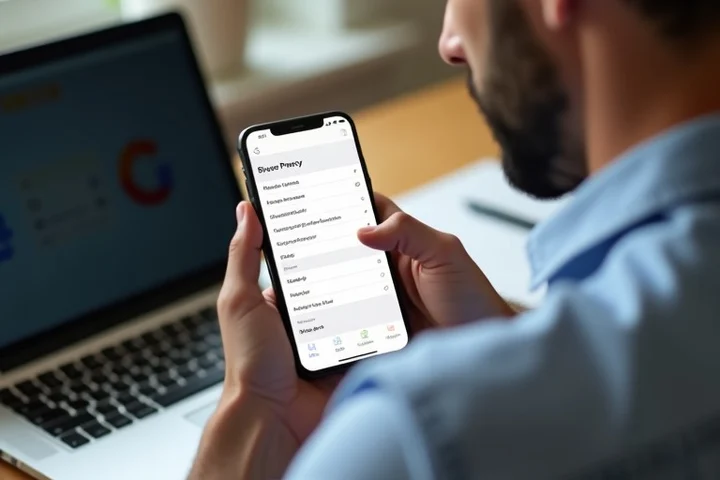
Privacy controls deserve a closer read before a profile goes live. The app’s current official documentation should explain how precisely location appears, whether profile visibility can be limited, whether other users can discover an account through a phone number or email address, and who can view or download profile photos. It should also clearly describe blocking and reporting, including what happens after a report is submitted. These controls can reduce unwanted exposure, but they do not verify a stranger’s character or guarantee that a match is truthful. A parent-led profile meets a reasonable minimum only when its privacy settings are understandable, adjustable, and supported by a straightforward way to end contact.
Children's details should remain separate from early dating conversations
A child can appear in a father’s life without appearing in his dating profile. Public photos should not reveal a child’s face, name, school, team, uniform, regular activities, or recognizable home surroundings. Even an otherwise harmless image can expose a street sign, school emblem, sports schedule, or household pattern. Early conversations also have no need for children’s full names, school locations, custody schedules, pickup routines, vacation plans, or detailed information about the co-parent. Broad, non-identifying descriptions are enough to explain that parenting shapes availability and priorities.
That separation should continue as a match becomes more familiar. A new connection does not earn access to children’s images, home, school, or weekly routine simply because conversation feels easy. Introductions belong later, after trust has developed through time and consistent behavior, and only when the father believes the relationship merits bringing family life into view. The dating relationship and the child’s sense of privacy should not be made to move at the same speed.
Identity confidence without exposing family information

Identity confidence is built through a pattern, not a single disclosure. Consistent conversation over time can show whether a match’s basic story, availability, and communication style remain coherent. An in-app video call may add useful context before an in-person meeting, without requiring a home address, children’s photographs, or access to private social accounts. A separate email address or phone number for early dating can keep personal and household contact channels apart while the connection is still untested. A trusted person can also know when and where a first meeting is taking place without being given the children’s schedule.
Pressure points in the opposite direction. Requests for a child’s image, a school name, custody paperwork, a home tour, private identification documents, or immediate access to personal social accounts are not necessary steps in getting acquainted. They shift the burden of proof onto the parent and expose information about people who never agreed to participate. Even a match who appears consistent may have motives or circumstances that remain unknown; video and conversation support confidence, but neither establishes a guarantee. The useful comparison is between information that helps two adults decide whether to meet and information that maps a family’s identity, location, or routines. The former can be shared gradually. The latter stays private.
When a match asks to meet your children early
An early request to meet the children deserves a pause rather than a rushed accommodation. Delaying is especially appropriate when the connection is new, the request comes with urgency, or the match treats a boundary as an insult. Repeated asking after a clear refusal, guilt about parenting priorities, attempts to arrange contact without the father’s knowledge, or interest in the children’s school and routine can indicate boundary testing. The issue is not whether the match sounds charming; it is whether the match accepts a limit without trying to negotiate access.
Concerning contact should be preserved in the app where possible, with dates, profile details, messages, and relevant screenshots kept together before the conversation disappears. Blocking ends the direct channel, while reporting gives the app a record to review; both tools matter when contact becomes pressuring, threatening, deceptive, or invasive. An app fails a father’s minimum safety standard if its controls do not let him limit visibility, stop contact, or report behavior clearly enough to protect his household boundaries. Moving away from that app is reasonable when the available controls cannot support the privacy policy he needs.
A few details worth clarifying
Should a single dad use a separate contact channel for early dating?
A separate email address or phone number can keep early dating contact apart from household and work channels. It is a privacy layer, not an identity check, so it works best alongside careful profile settings and gradual disclosure.
What should a trusted person know before a first date?
A trusted person can receive the meeting time, public location, transportation plan, and the match’s basic profile or contact details. That information does not need to include the children’s names, school, custody schedule, or home routine.
Is a video call enough to confirm that a match is safe?
No. An in-app video call can add context and help compare a person’s presentation with their prior communication, but it cannot establish their intentions or remove the need for public meetings, privacy boundaries, and careful pacing.
For single dads, safe online dating begins with a narrow information policy: share enough for two adults to assess compatibility, not enough to identify or track the children. Clear app controls, gradual confidence-building, and a firm response to pressure keep family access earned rather than assumed.