
Teachers need a dating app that fits into fragmented downtime without putting school details or a daily routine on public display. Try two free services side by side for a short period, focusing on conversation access, privacy settings, nearby activity, and the time each app requires. Tinder, Bumble, Hinge, OkCupid, and Coffee Meets Bagel are worth checking, but a free registration screen does not show whether the no-cost version supports the interactions that matter to you.
Published by TOP Dating
Free access varies from registration to usable conversation
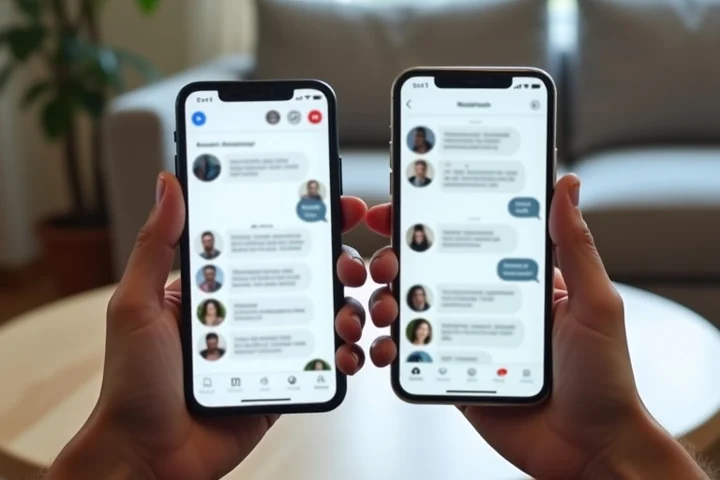
Creating a profile and browsing people can make an app look free even when the features that turn browsing into a connection are restricted. Check whether free use includes mutual matching, messaging after a match, reading replies, enough filters to avoid irrelevant profiles, and control over who can find or view the account. A limit in any of these areas can turn an app into a preview of a paid service.
Tinder's Help Center states that the service includes free access alongside paid features and subscriptions. That confirms a free entry point, not that every feature a teacher wants comes without charge. For Tinder and a second app such as Bumble, Hinge, OkCupid, or Coffee Meets Bagel, check current official feature and pricing disclosures: does the free tier support a real exchange with a relevant match while keeping profile visibility at an acceptable level?
Which free features matter during a teacher's limited downtime?
A teacher's dating time often comes in short gaps between early mornings, meetings, planning, and evening responsibilities. The app's flow matters more than the number of profiles it shows. Reliable notifications, a manageable set of suggestions, and access to mutual-match conversations help prevent a connection from disappearing under a long profile queue or demanding unfocused browsing every night.
Judge an app by how much friction it adds. Give time to one whose free version makes worthwhile matches easy to identify, offers enough filters to narrow the field, and lets you pause or reduce activity when work gets demanding. A service that repeatedly directs users to locked features, shows mostly unsuitable profiles, or makes conversations hard to revisit can consume a short break without moving anything forward.
During the school year, response patterns may look different
The school year rarely follows the all-day pace dating apps seem to expect. Early starts may rule out morning messaging, school hours may be off-limits, and grading periods, family conferences, performances, games, and other activities can shrink an evening without warning. Breaks bring more time, but they need not set the reply standard for the rest of the year. A profile can explain that teaching fills the schedule and that replies are more likely during planned downtime. This sets expectations without naming a school, detailing a routine, or making someone easier to locate. A compatible match will usually take steady, thoughtful replies as a sign that you protect your time, not a lack of interest.
Workplace privacy and profile visibility
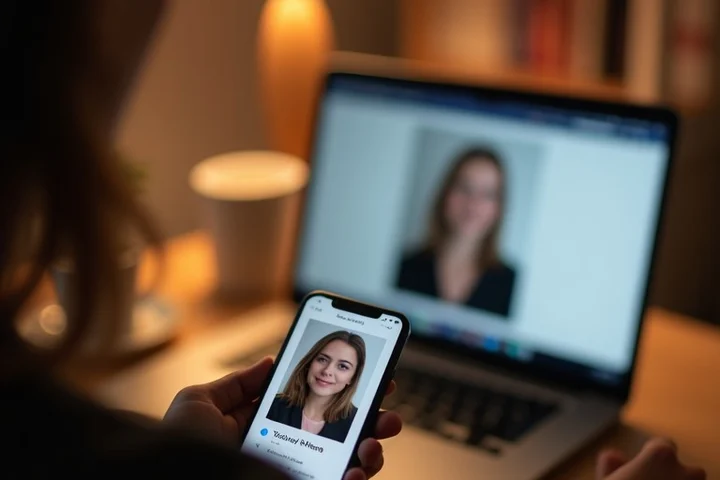
Job details become identifying when paired with a school name, a narrow neighborhood, team or activity references, and recognizable photos. Saying that you work in education gives matches context; naming the school or describing a distinctive campus routine reveals far more than they need at the profile stage. A precise location creates the same issue when it points to a workplace instead of a broad dating area.
Protect your privacy with a general job description, an approximate location, and photos unconnected to school grounds or events. Review contact-discovery settings, social-account links, connected contacts, and visibility choices before activating a profile, since each app offers different controls. Share enough about work for a compatible adult to understand your schedule and values without identifying where you teach.
Compare local match pools before investing time
- A similar seven-day period on each app, using the same profile detail and roughly the same check-in time, makes the comparison about fit rather than an unusually busy or quiet day.
- The useful count is not every profile shown. It is the number within a comfortable travel distance whose relationship goals, age range, and profile substance appear compatible with yours.
- Mutual matches, conversation starts, and replies during the observation window show more than scrolling volume. A smaller pool with real exchanges can be more usable than a larger pool that produces no conversation.
- Distance filters matter only when their results match the area where dating is realistically possible around work, home, and personal commitments. Profiles repeatedly outside that range signal a weak local fit.
Broad-reach apps or profession-focused communities
Broad-reach dating apps start with a wider audience because they are not limited to one occupation. Tinder, Bumble, Hinge, OkCupid, and Coffee Meets Bagel can therefore be useful places to test whether nearby people share your relationship goals, even when teaching is only one part of your identity. Their wider reach also means that a teacher can disclose work selectively rather than making the profession the entry point to every interaction. The tradeoff is that more profiles may require more filtering, and a large local pool does not by itself establish compatible schedules or intentions.
Profession-focused communities can supply immediate shared context: a match may understand school-year pressures, limited daytime availability, and the value of protecting work boundaries. That common ground can make early conversations feel more efficient, yet a narrower community also narrows the possible local pool. In some areas, activity may be too thin to sustain regular matching or conversation. The practical distinction is not whether one route is inherently better. A broad app tests local reach and personal compatibility, while a profession-focused community tests whether shared work context compensates for a potentially smaller selection. Results from a short trial reveal which tradeoff matters in your area.
A two-app trial reveals value better than promotional claims
A two-app trial keeps the comparison contained. Tinder can serve as one option because its official Help Center confirms free access alongside paid features; Bumble or Hinge can be the second after its current official disclosures show the no-cost functions you need. The scorecard should reflect what happens during ordinary school-week use.
Current free-tier disclosure
Official information clearly identifies the free matching, messaging, filter, and visibility functions that matter to you.
The functions needed for a basic conversation remain unclear or unavailable without payment.
Free conversation outcome
Relevant mutual matches lead to readable, manageable exchanges during the trial.
Matching or browsing produces little meaningful conversation.
Privacy fit
The available account choices support a general work description, broad location, and comfortable profile visibility.
The experience pressures you to disclose workplace or routine details you prefer to withhold.
Time and local fit
Nearby, compatible profiles and conversations justify the time spent checking the app.
The app mainly produces distant or irrelevant profiles and routine browsing without progress.
Free dating apps work best for teachers when free access supports an actual conversation, privacy choices protect professional boundaries, and nearby activity justifies the time involved. A brief two-app comparison turns those conditions into a clear, personal decision.
Sources for this guide
- Coffee Meets Bagel — Coffee Meets Bagel
- Is Tinder free? — Tinder
- Tinder — Tinder
- Hinge — Hinge
- OkCupid — OkCupid
- Bumble — Bumble