
A safe dating website for widows and widowers should offer clear privacy controls, contact restrictions, blocking, reporting, and data-removal options. Those safeguards reduce exposure to unwanted contact, but they cannot prove that a match is honest or prevent every attempt to exploit grief, loneliness, or trust.
Published by TOP Dating
When a new match pushes intimacy unusually fast

Rapid declarations of affection, intense grief mirroring, and immediate promises of a special connection can create emotional dependence before a person has verified basic facts. A manipulative match may present a bereavement story that closely resembles yours, describe an urgent medical, travel, housing, or family crisis, or suggest that trusted friends and relatives do not understand the relationship. Pressure to move from the dating site to private messaging, phone calls, or encrypted channels removes platform visibility and may make reporting harder. These patterns do not prove deception individually, but their combination is significant, especially when sympathy is followed by secrecy, urgency, or a request for money, gift cards, investments, account access, or personal documents. Bereavement can make this attention feel unusually meaningful; the relevant safety issue is whether the match respects a measured pace, independent relationships, and clear boundaries.
Widow-focused platform protections and privacy controls
Contact restrictions
Confirm in current official help pages whether messaging is limited to mutual matches and whether unwanted contact can be restricted.
Limits can reduce unsolicited messages and repeated contact after a boundary is set.
Profile visibility
Check official privacy settings for search visibility, discovery controls, location display, and audience options.
Less exposed profiles reveal fewer details about routines, residence, and family connections.
Blocking
Verify how blocking works, whether the blocked account can view the profile, and whether new accounts can still make contact.
A clear block function supports separation from persistent or manipulative matches.
Reporting
Review the official reporting process, report categories, evidence fields, and any stated communication about submitted reports.
A documented route makes suspicious conduct easier to escalate without continuing the conversation.
Data removal
Read current privacy and terms pages for account deletion, photo removal, retained records, and requests involving personal data.
Deletion controls clarify what happens after leaving, although documented safeguards cannot eliminate user deception.
Verification badges reduce uncertainty but do not prove trustworthiness
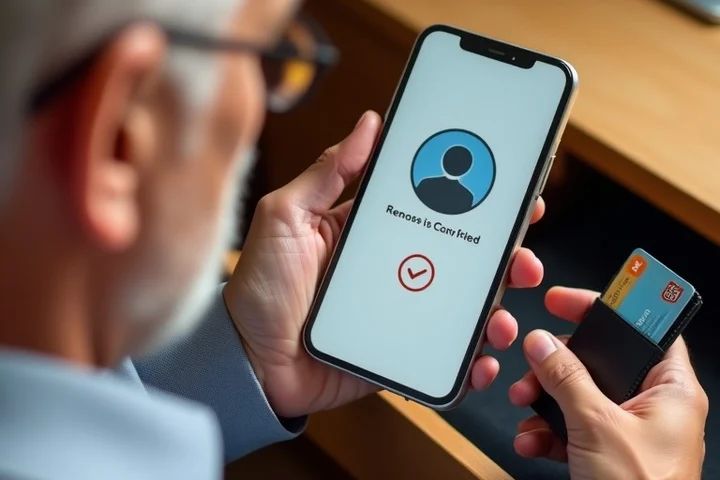
Email or phone checks may show that an account is linked to a contact method. Photo checks may compare a submitted image with a person or detect some inconsistencies, while identity checks may involve review of an identity document. The exact process varies and belongs in the platform’s current official explanations.
None of these checks establishes honest intentions, accurate relationship history, genuine bereavement, financial integrity, or respectful conduct. Requests for money, investments, gift cards, cryptocurrency, banking credentials, payment transfers, or access to financial accounts remain disqualifying signals even when a profile carries a verification badge.
What should you preserve and report after suspicious contact?
1
Engagement ends when the conversation includes pressure, threats, secrecy, financial requests, or repeated boundary violations. Further replies can provide more opportunities for manipulation and may expose additional personal information.
2
The preserved record includes the profile name, username, profile URL, photographs, phone numbers, email addresses, dates, messages, payment instructions, transaction receipts, and any stated emergency. Screenshots should retain enough surrounding context to identify the account and sequence of contact.
3
The platform’s reporting and blocking tools provide the first formal response. Reporting should identify the relevant conduct and include preserved evidence; blocking then limits direct contact where the platform’s controls support that result.
4
Exposed accounts require separate protection. Password changes, unique credentials, multifactor authentication, payment-account alerts, and review of connected devices are appropriate when login details, identity documents, or account access were shared.
5
Money or identity-data involvement warrants contact with the relevant bank, card issuer, payment service, credit-reporting channel, or law-enforcement agency. The preserved records help those organizations assess transfers, account compromise, identity misuse, or threats.
A dating site’s privacy and reporting tools matter, but they are only part of the safeguard. The strongest boundary is consistent: intimacy does not justify secrecy, financial requests, or access to accounts and identity documents. Verification can reduce uncertainty, while independent judgment and preserved evidence remain necessary when contact becomes suspicious.